
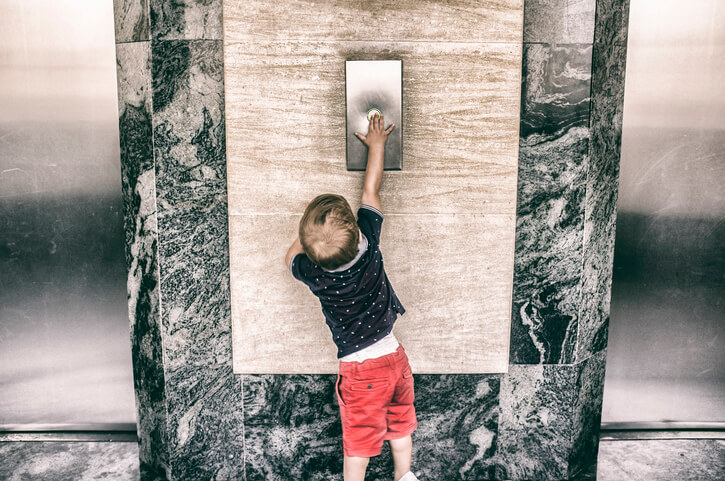
Each year, thousands of children are injured in elevator and escalator accidents across the U.S.—many of them right here in Texas. Due to their size, limited coordination, and tendency to mimic risky behavior, children are particularly vulnerable when using these common devices. While many of these injuries are preventable, some occur due to unsafe conditions or defective equipment.
Why Are Children at Higher Risk of Elevator and Escalator Injuries?
Limited Strength, Balance, and Coordination
Young children, especially those under five, may struggle to use elevators and escalators safely on their own. Just like older adults, they may lack the physical balance, strength, or reaction time needed to get on or off these devices without help. Many injuries happen during the moments of entry or exit—when a sudden movement or misstep can cause a fall.
Copying Unsafe Behavior
Children naturally observe and copy the behavior of adults—even when it’s unsafe. If they see someone sprinting into an elevator as the doors close or standing backward while riding an escalator, they may try to imitate that. Unfortunately, because of their smaller size and underdeveloped motor skills, these behaviors often result in:
- Slips and falls
- Cuts and bruises
- Broken or fractured bones
Preventive Tips for Parents and Caregivers
One of the most effective ways to protect children is through supervision and education:
- Stay close whenever a child is using an elevator or escalator
- Hold their hand or carry them if they’re too young
- Teach them safe riding habits—standing still, facing forward, and using handrails
- Model safe behavior yourself, since children often do what they see
Despite these efforts, not all accidents can be prevented. Mechanical failures, poor maintenance, or design flaws can create dangers that even the most careful families can’t avoid.
When Unsafe Conditions Cause Harm
Sometimes, elevator or escalator injuries happen because the equipment is defective or hasn’t been properly maintained. In those cases, the building owner, maintenance provider, or manufacturer may be legally responsible. If the incident occurred on a mall, hotel, apartment complex, or other commercial property, the property owner may also be liable for failing to maintain a safe premises.
Get Legal Support After an Elevator or Escalator Injury in Dallas–Fort Worth
No parent expects a trip to the store or a ride in an apartment elevator to end in an emergency room visit. If your child was seriously hurt due to a malfunctioning elevator or escalator, you may be entitled to financial compensation. These cases can be complex and require a prompt investigation to preserve evidence.
At Rochelle McCullough LLP, we help families in Dallas–Fort Worth hold negligent property owners, manufacturers, and maintenance companies accountable. We’re here to protect your rights and help your family recover. Contact us today for a free consultation.
Frequently Asked Questions
Are elevator and escalator accidents common among children?
Yes. Children under age 5 are among the most frequently injured groups, often due to falls, entrapment, or equipment malfunction.
Can I sue the property owner if an escalator injured my child?
Possibly. If the accident was caused by poor maintenance, design flaws, or inadequate supervision in a commercial space, the owner may be held liable.
What if the elevator malfunctioned?
Defective components or a history of mechanical failure could point to manufacturer or maintenance provider liability. An attorney can help investigate the cause.