
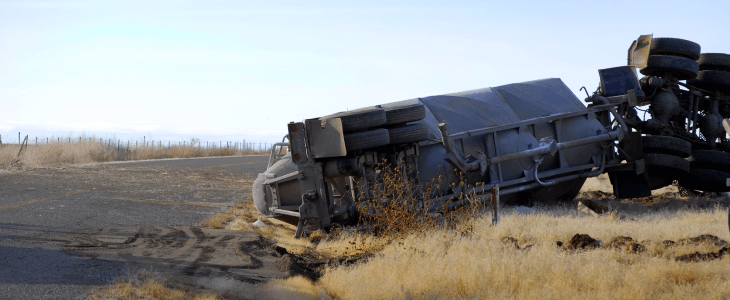
Truck accidents in the Dallas–Fort Worth area often result in serious injuries, significant property damage, and long-term disruptions to daily life. If someone else’s actions caused the crash, you may be entitled to recover compensation. But knowing what kinds of damages are available—and how they’re calculated—can make a real difference in your financial recovery.
This guide breaks down the most common types of damages available in Texas truck accident claims and explains how they are applied in real-world situations.
What Counts as Recoverable Damages in a Truck Crash?
In personal injury law, “damages” refer to the losses you’ve suffered—both tangible and intangible. Some are straightforward, like hospital bills or lost income. Others, like emotional distress or permanent disability, are harder to quantify but still legally recognized.
Below are the major categories of compensation you may be able to recover after a truck accident in Dallas–Fort Worth.
Medical Care and Future Treatment
Medical bills are often the most significant and most urgent concern after a truck crash. You may be able to recover compensation for:
- Emergency room visits
- Hospital stays and surgeries
- Diagnostic imaging and lab tests
- Physical therapy or rehabilitation
- Follow-up visits and prescriptions
- Assistive devices, prosthetics, or mobility aids
- Future medical care tied to chronic pain or lasting injuries
Even if your treatment isn’t complete, your claim can include estimates for future costs with the help of medical professionals.
Lost Income and Reduced Earning Capacity
If you missed work due to the crash or were unable to return to your previous job, your compensation may include:
- Wages lost during your recovery
- Missed bonuses or promotions
- Loss of self-employment income
- Reduced future earning ability due to disability or job change
This category covers both short-term time off and long-term impact on your ability to earn a living.
Pain, Suffering, and Emotional Distress
Not all harm is physical. Texas law recognizes that pain and trauma from a truck accident can take a toll on your quality of life.
You may be compensated for:
- Physical pain
- Anxiety, depression, or PTSD
- Sleep problems or emotional withdrawal
- Loss of enjoyment of life
There’s no formula for this category—but documentation, therapist notes, and personal accounts can help support your claim.
Disability and Long-Term Personal Services
If the accident resulted in a lasting disability or impairment, you may be entitled to compensation for:
- Home care services or nursing support
- Mobility assistance or transportation needs
- Modifications to your home or vehicle (e.g., wheelchair ramps)
- Training for new employment if you’re unable to return to your old job
These damages aim to support your independence and day-to-day functioning in the future.
Property Damage and Personal Belongings
You can also recover compensation for:
- Vehicle repairs or replacement
- Towing and rental car costs
- Personal items damaged in the crash (phones, laptops, medical equipment, etc.)
Make sure to save receipts and take photos whenever possible to support your claim.
Wrongful Death
In fatal truck accident cases, surviving family members may pursue a wrongful death claim. These damages may include:
- Funeral and burial expenses
- Loss of the deceased’s income and household support
- Loss of companionship, guidance, and emotional support
- Mental anguish experienced by close family members
Wrongful death claims often involve complex insurance layers and should be handled with care.
Why Accurate Documentation of Damages Matters
The strength of your claim isn’t just about what happened—it’s about what you can prove. Supporting documents like medical bills, pay stubs, repair estimates, and professional evaluations all help substantiate the amount you’re asking for.
Without strong documentation, insurers may try to minimize or deny valid expenses. A well-prepared claim can help prevent that.
Why Local Knowledge Makes a Difference in Dallas–Fort Worth
Truck accident claims in Texas often involve multiple insurance carriers, corporate defendants, and state-specific legal procedures. Working with a legal team that understands how DFW courts handle truck cases—and how local insurers operate—can give your case an edge.
Whether you’re dealing with a local delivery truck or an interstate freight carrier, having advocates who know the region matters. That’s where Rochelle McCullough steps in. We have a well-earned reputation as skilled injury attorneys and a proven track record of success in truck accident claims. Contact us today to get started with an experienced truck accident attorney.