
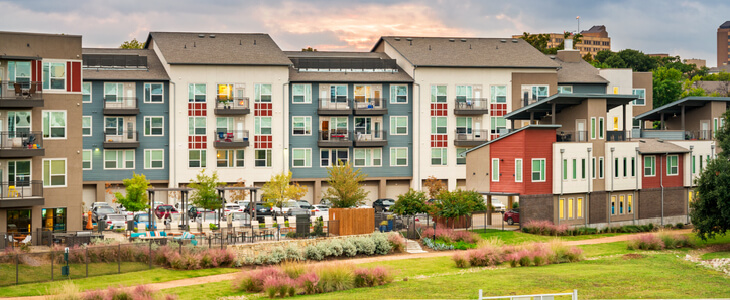
Gun violence can change a life in an instant. For tenants, the trauma is especially devastating when it happens in a place they thought was safe, right outside their door or inside their apartment complex.
If you or a loved one has been shot on a rental property in Dallas–Fort Worth, one of the first legal questions is: Who can be held responsible? Depending on the facts, the apartment owner or property management company may be held liable under Texas law.
Property Owners Have a Legal Duty to Provide Reasonable Security
Under Texas premises liability law, landlords have a duty to take reasonable steps to keep common areas of their properties safe for tenants and lawful visitors. That includes areas like:
- Parking lots and garages
- Hallways and stairwells
- Laundry rooms or mail areas
- Entryways and lobbies
While landlords aren’t automatically responsible for every crime that happens on their property, they can be held liable if they failed to provide adequate security and the shooting was foreseeable. In legal terms, foreseeability means that similar crimes had occurred in the past or that the risk was otherwise known.
For example, suppose several assaults or robberies had recently occurred in the same complex or neighborhood and the landlord failed to install proper lighting, secure entry points, or surveillance cameras. In that case, they may be held accountable for the resulting harm.
When Is a Shooting Considered Foreseeable?
The key to many negligent security cases is whether the property owner knew, or should have known, that there was a risk of violent crime occurring on their property. Some signs that a shooting may be considered foreseeable include:
- A documented history of crime at or near the apartment complex
- Police reports or 911 calls involving the property
- Previous tenant complaints about threats or suspicious activity
- Lack of security measures despite known dangers
In these cases, a civil claim may be brought against the property owner, management company, or security firm for failing to take steps that could have prevented the shooting.
Who Else Might Be Liable?
In addition to the landlord, other parties may also share responsibility, depending on the circumstances:
- Security contractors: If the complex hired a security company that failed to patrol the area or respond to known threats, they could be named in the lawsuit.
- Property managers: If an onsite manager ignored tenant complaints about escalating violence or broken gates, they may be held responsible for negligence.
- Third parties: In some cases, the shooter may be sued directly, though they may lack the financial means to provide compensation.
It takes a skilled premises liability attorney to uncover the facts and identify all the responsible parties.
What Damages Can Victims Recover?
If your case is successful, you may be entitled to compensation for:
- Medical bills and future care
- Lost income or earning ability
- Pain and suffering
- Emotional trauma or PTSD
- Property damage
- Wrongful death (if a loved one was killed)
Because shootings often cause permanent injuries or emotional scars, it’s essential to work with a legal team that understands how to calculate the full impact of your loss, not just your immediate expenses.
How Rochelle McCullough PLLC Can Help
We’ve represented victims of violent crime throughout Dallas–Fort Worth who were injured because a property owner failed to take safety seriously. Our team investigates every angle of a case: from reviewing surveillance footage and police reports to examining maintenance records and security contracts.
We know what it takes to hold negligent property owners and management companies accountable—and we’re not afraid to take on complex or high-profile cases. If you’re struggling after a shooting, we’re here to support you and fight for the justice you deserve.
Talk to a Negligent Security Lawyer Today
If you or someone you love was shot at an apartment complex in the Dallas–Fort Worth area, don’t wait to get legal advice. Contact Rochelle McCullough PLLC for a free and confidential consultation.